Dear EN 190 Students,
Congratulations on surviving another semester at MC. I wish you the best of luck in your future semesters at MC and beyond. Don't be strangers, and KEEP READING...for fun! :)
Always,
Prof. D
Wednesday, May 22, 2013

Sunday, May 12, 2013
We've seen some interesting versions of hamlet in class but...
We haven't seen this one of Sarahbernhardt who played a widely acclaimed hamlet in 1899 (royal shakespear company)
http://www.rsc.org.uk/whats-on/hamlet/past-production-photos.aspx
http://www.rsc.org.uk/whats-on/hamlet/past-production-photos.aspx
Hamlet's not over yet:)
There are so many iconic quotes for sure I have to say mine is "the plays the thing!" and I'm really interested in knowing everyone else's
Friday, May 10, 2013
Shakespeare Metal
Hey guys, I also came across this. I wanted to see what you guys thought of it, I think it's kind of dorky and ridicules and reduces Shakespeare. To be honest I don't know if the song is more of a joke or if its actually meant to be serious. I know Chris is a big metal fan just as I am, but this just didn't do it for me. In a way it takes away from the enjoyment of the kind of music I listen to. Any other heavy rock or metal fans in our class that that have an opinion on this?
Mel Gibson's Hamlet
This is the scene I was talking about in class. This is exactly the way I pictured the scene in my mind while reading it. Did anyone else feel the same way?
Thursday, May 9, 2013
If anyone is writing there paper on Hamlet (2000)..
If anyone is focusing their paper on the Hamlet (2000) revision, I have found a useful article on the Montgomery College database. It goes into details of different scenes.
Here is the link: http://mchoudini.montgomerycollege.edu:2048/login?url=http://search.ebscohost.com/login.aspx?direct=true&db=ufh&AN=13499721&scope=site
Hope this is helpful!
Here is the link: http://mchoudini.montgomerycollege.edu:2048/login?url=http://search.ebscohost.com/login.aspx?direct=true&db=ufh&AN=13499721&scope=site
Hope this is helpful!
Wednesday, May 8, 2013
Collage
I am posting the painting I presented to the class today, along with two more pictures from the same artist.


Hamlet: Triple Portrait as Scholar, Slayer, and Fool.
This Second piece is another interpretation of Hamlet:
(This Reminds me of the scene shown today by William where
Hamlet is doing his "To be or not to be" Soliloquy in front of the mirror)

And Lastly, this is an interpretation of Hamlet and Ophelia, with two figures watching over them. Who do you think the dark figures represent? Also, why do you think Hamlets hands and face are darkened in the picture? Is it Significant?
Tuesday, May 7, 2013
Hamlet (2009) Movie
If anyone is having any trouble finding the 2009 version of Hamlet. I have provided a link with the full movie. It is three hours long.
Sunday, May 5, 2013
Question- Hamlet 2000.
For those of you that watched the Hamlet 2000 and deciding to write your essay based on the movie like myself, please let me know what are you trying to discuss in your essay based on the movie and lets share ideas in order to have a better understanding of the movie.
Collage-(Hamlet 2000)
Based on the Hamlet 2000 by Ethan Hawk and Julia Stiles I wanted to talk about the context and the editing of the movie. More specifically I will talk about how Hamlet fails in correctly translating the Hamlet. I will also talk about how New York is not a convincin set for the movie, because murdering and killing is not acceptable in such modern environment. Finally the main character, Hamlet is incorrectly introduced in the movie comapre to the text version of Hamlet.
Collage
For my essay, I plan to compare two paintings of Ophelia. I will discuss the similarities the paintings have with each other and with the characterization in Hamlet.I plan to find pasages that describe her charachter throughout the play.
I think this painting describes Ophelia in the begining of the play.
 This photo describes Ophelia in the moments before her death.

I think this painting describes Ophelia in the begining of the play.


Word Entry ACT 2-#3
1. POLONIUS
Ay, or drinking, fencing, swearing,
Quarreling, drabbing—you may go so far. ( p 1320)
2. My Guess: i thought the word quarreling meant using heavy drugs.
3 Definition:
(http://dictionary.reference.com/browse/quarreling)
4. Explanation: Once again in the previous sentence Polinious is telling the people that he hired to spy Horatio, to find out if Horatio is fighting or being aggressive with people.
Ay, or drinking, fencing, swearing,
Quarreling, drabbing—you may go so far. ( p 1320)
2. My Guess: i thought the word quarreling meant using heavy drugs.
3 Definition:
1.an angry dispute or altercation; a disagreement marked by a temporary or permanent break in friendly relations.
2. a cause of dispute, complaint, or hostile feeling. (http://dictionary.reference.com/browse/quarreling)
4. Explanation: Once again in the previous sentence Polinious is telling the people that he hired to spy Horatio, to find out if Horatio is fighting or being aggressive with people.
Word Entry ACT 2-#2
1. POLONIUS
“And in part him, but,” you may say, “not well.
But, if ’t be he I mean, he’s very wild.
Addicted so and so.—” And there put on him
What forgeries you please. Marry, none so rank
As may dishonor him. Take heed of that. ( p 1315)
2. My Guess: I though the word Forgery meant questions or questining.
3. Definition:
“And in part him, but,” you may say, “not well.
But, if ’t be he I mean, he’s very wild.
Addicted so and so.—” And there put on him
What forgeries you please. Marry, none so rank
As may dishonor him. Take heed of that. ( p 1315)
2. My Guess: I though the word Forgery meant questions or questining.
3. Definition:
1. the crime of falsely making or
altering a writing by which the legal rights or obligations of another
person are apparently affected.
2. a writing so made or altered, as a false document or signature.
(http://www.thefreedictionary.com/forgery)
4. Explanation: Now I understand that forgery is the process of making documents with the intent to deceive. In this case, Polinious wanted to know what was Horatio doing while he was a way from home in Paris for college. Polinious hired people that started spying or checking what was Horatio doing in order to make a report to Polinious about his suspicion over his son.
Word Entry-Act 1-#1
1. "In what particular thought to work I know not,
But in the gross and scope of mine opinion
This bodes some strange eruption to our state"(P 1307)
2. My Guess: Since it is Horatio's saying, I thought the word bode mean destruction or destroying.
3. Definition: Bode means to be a sign of something to come
Synonyms: signify, indicate, forebode, foreshadow, portend
(http://vocabulary-vocabulary.com/dictionary/bode.php)
4. Explanation: my guess and the definition of the word are not similar, but in the sentence the word Bode does sound like something bad is going to happen. Over all the word bode in Horatio's saying, basically means threat for something bad happening in the kingdom.
But in the gross and scope of mine opinion
This bodes some strange eruption to our state"(P 1307)
2. My Guess: Since it is Horatio's saying, I thought the word bode mean destruction or destroying.
3. Definition: Bode means to be a sign of something to come
Synonyms: signify, indicate, forebode, foreshadow, portend
(http://vocabulary-vocabulary.com/dictionary/bode.php)
4. Explanation: my guess and the definition of the word are not similar, but in the sentence the word Bode does sound like something bad is going to happen. Over all the word bode in Horatio's saying, basically means threat for something bad happening in the kingdom.
Collage
I really had to share this clip with all of you, I think this is one of the most funniest parts of the movie. Do you guys remember the scene where Hamlet is speaking to Polonius and pretending to be crazy? Well I think Tennant overdoes it a little! Hilarious! I really recommend watching this movie when you guys have the time.
http://www.youtube.com/watch?v=BljeLLvxTsc
Did anyone else watch this version of Hamlet? What did you think of this scene?
http://www.youtube.com/watch?v=BljeLLvxTsc
Did anyone else watch this version of Hamlet? What did you think of this scene?
Collage
Hi everyone! Just finished watching the TV-film version of Hamlet starring David Tennant. The movie is quite long but I felt it was surprisingly interesting to watch. It's most modern version of Hamlet and these group of actors should get more credit in their performances. Although I have got to say this film was about three hours long! Which is way too long for a movie, but I guess it balances out the play well since the lines were mostly true to the original play. I remember a distinct part of the movie where Hamlet's famous line "To be or not to be" is spoken. Tennant's version of this speech is done really well! I don't know if I'm going to choose to write about this scene in my final essay yet but I'm definitely considering it! Here's a link to this particular scene. I think the lighting as well as the movement of the camera enhances Tennant's performance; Hamlet's brooding nature is very evident here!
http://www.youtube.com/watch?v=1u8OlUS7BhU
What do you guys think about this scene?
http://www.youtube.com/watch?v=1u8OlUS7BhU
What do you guys think about this scene?
Word Entry "Hamlet" Act III scene iv
1. "For this same lord I do repent; but heaven hath please it so" (p. 1363).
2. My guess: Hamlet is speaking to the Queen in her room and the word "repent" in this context may mean to seek forgiveness to his "lord," he's trying to right a wrong doing.
3. Definition: To feel sorry, self-reproachful, or contrite for past conduct (Dictionary.com).
4. Explanation: Hamlet is speaking in yet another soliloquy about the night and to his mother, he is sort of venting all his emotions in this soliloquy. He is speaking to her about what he must do and what he will do because he feels responsible about what he's done in the past.
2. My guess: Hamlet is speaking to the Queen in her room and the word "repent" in this context may mean to seek forgiveness to his "lord," he's trying to right a wrong doing.
3. Definition: To feel sorry, self-reproachful, or contrite for past conduct (Dictionary.com).
4. Explanation: Hamlet is speaking in yet another soliloquy about the night and to his mother, he is sort of venting all his emotions in this soliloquy. He is speaking to her about what he must do and what he will do because he feels responsible about what he's done in the past.
Word Entry "Hamlet" by William Shakespeare
1. "...That you do bend your eye on vacancy, and with th' incorporal air do hold discourse?" (p. 1362)
2. My guess: I think the Queen is trying to ask Hamlet why is he talking to what seems to be nothing. In this context I think "incorporal" means something without form or something that isn't tangible.
3. Definition: Of the human body; bodily; physical (Dictionary.com "definition of: corporal")
4. Explanation: The definition of "corporal" refers to the physical form of a human body. In the context of the play the Queen says "incorporal" which may refer to something without a human body. The Queen is questioning Hamlet's sanity when she asks him who he's talking to. Of course, it's the ghost of the former King of Denver and he is speaking to Hamlet and tells him what he wants him to do.
2. My guess: I think the Queen is trying to ask Hamlet why is he talking to what seems to be nothing. In this context I think "incorporal" means something without form or something that isn't tangible.
3. Definition: Of the human body; bodily; physical (Dictionary.com "definition of: corporal")
4. Explanation: The definition of "corporal" refers to the physical form of a human body. In the context of the play the Queen says "incorporal" which may refer to something without a human body. The Queen is questioning Hamlet's sanity when she asks him who he's talking to. Of course, it's the ghost of the former King of Denver and he is speaking to Hamlet and tells him what he wants him to do.
Saturday, May 4, 2013
An slient twist on Hamlet
I found and watched an interesting twist on Hamlet.
This Hamlet (referred to as Asta Nielsen's Hamlet) is a 1921 silent film with Hamlet as a strong willed female (played by Asta Nielson who I guess was the Meryl Streep of the silent film day). Also notable is:
- the apparent removal of supernatural aspects (no ghost)
- what looks like a romantic relationship between Hamlet and Horatio.
- no famous "To be or not to be" soliloquy (because it is silent)
- surprisingly no Yorick skull scene either.
(Part 1 of 14) After a battle, Hamlet senior (male) orders that Hamlet jr. (female) be disguised as a male to preserve the line of succession (I think)
http://www.youtube.com/watch?
(Part 2 of 14) Claudius introduced, Hamlet meets Horatio (romantic interest?) Laertes introduced.
http://www.youtube.com/watch?
(Part 3 of 14) Fortinbras introduced, Claudius plots the death of the king (by snake) Polonius introduced, coronation of Claudius and drunken partying
http://www.youtube.com/watch?
(Part 4 of 14) Hamlet returns to court mourns her father, swears revenge in his tomb (no appearance of the ghost) Learns the truth of the murder by discovering her uncle's knife near the snake pit
http://www.youtube.com/watch?
(Part 5 of 14) Confides in Horatio what she has learned. Ophelia Introduced and ignored by Hamlet
http://www.youtube.com/watch?
(Part 6 of 14)
http://www.youtube.com/watch?
(Part 7 of 14)
http://www.youtube.com/watch?
(Part 8 of 14)
http://www.youtube.com/watch?
(Part 9 of 14) The play within the play
http://www.youtube.com/watch?
(Part 10 of 14) Polonius is stabbed
http://www.youtube.com/watch?
(Part 11 of 14) Altering Claudius's Letter
http://www.youtube.com/watch?
(Part 12 of 14) Letter is delivered. Rosencrantz and Guildenstern are executed. Ophelia is drowned
http://www.youtube.com/watch?
(Part 13 of 14)
http://www.youtube.com/watch?
(Part 14 of 14) Everybody dies, Fortinbras shows up to take over.
http://www.youtube.com/watch?
The portrayal of Ophelia
In hamlet we know that Ophelia had recently suffered loss and was struggling emotionally this led us to the scene were she is singing and isn't quite there entirely. Because of the paintings I constantly pictured her as a neat elegantly dressedn woman 24/7 but through out the various adaptations I have scen, I was certainly headed in a different direction. What do you think?
http://m.youtube.com/watch?v=fO-wxlavDQI
http://m.youtube.com/watch?v=74YTzl7vFEs
http://m.youtube.com/watch?v=fO-wxlavDQI
Collage
For my essay I want to discuss the final scene in David Tennant's hamlet. I want to discuss the imagery that I found and how it differs from what I saw when I read it in the play. This hamlet seems to be vastly different from what I dreamt up in my head as I was reading has anyone else found any interesting differences in the scenes of other hamlet movies?
David Tennant's Hamlet discussion question
If you saw this hamlet or some of it what do you think the external camera is for? D you believe it is in some way symbolic? It doesn't seem as though there is an entity behind the camera with a grander scheme so why is it there?
Tuesday, April 30, 2013
Collage for Final Project
Hey everyone!
For my final project I am going to compare and contrast the two paintings below not only to each other but as well as how the artist portrays them compared to how Shakespeare has them come across in his writing.
 Ophelia (painting) - Wikipedia, the free encyclopediaOphelia (painting)

For my final project I am going to compare and contrast the two paintings below not only to each other but as well as how the artist portrays them compared to how Shakespeare has them come across in his writing.

I will go about this some what the same way we did in class on Tuesday. These two pictures also have some of the same features as the ones we looked at of Ophelia in class such as she is in the middle of no where and has no one around her, and also both pictures incorporate flowers which seems to be a constantly recurring theme with Ophelia. Both of these pictures do one thing that the two we looked at in class did not, which is portray her under/in the water. Why do you think they might do that?
Monday, April 29, 2013
Funny Hamlet Video
Hey guys,
While I was trying to find short scenes from different Hamlet remakes. I bumped into this funny video. It provides short summaries about each scene and a laugh as well. Of course the guys are armatures in acting, oh well.
Shakespeare's Portrayal of Women
We talked a little bit in class today about how Shakespeare portrays the women in his plays. We sort of compared Queen Gertrude to Ophelia and talked about how Ophelia is more innocent and obedient where as the Queen is a bit more out spoken. I would like to continue this discussion on the blog...what do you think about the portrayal of Ophelia and the Queen as female characters?
I think that Ophelia could be younger, less developed version of the Queen. Maybe when the Queen was younger she too was quiet and obedient but once she took on the role of Queen and especially after her husband died, she became more vocals and forth coming with her opinions. I also think that we will see Ophelia evolve as a character as the play goes on, maybe the more scenes we read with Ophelia, the more we will begin to see her become stronger as a female character.
I think that Ophelia could be younger, less developed version of the Queen. Maybe when the Queen was younger she too was quiet and obedient but once she took on the role of Queen and especially after her husband died, she became more vocals and forth coming with her opinions. I also think that we will see Ophelia evolve as a character as the play goes on, maybe the more scenes we read with Ophelia, the more we will begin to see her become stronger as a female character.
Sunday, April 28, 2013
Word Entry: Act 3 Scene 3
1. "Art more engaged! Help, angels. Make assay." (70)
2. My guess: I think it means to interfere or help. Claudius realizes he has done horrible things but would do them again and so is asking for help or interference from heaven. He thinks that heaven can fix what he can't.
3. Definition: examination and determination as to characteristics (as weight, measure, or quality) (merriam-webster.com).
4. Explanation: Claudius wants maybe not the help but the final decision or judgement from god or heaven for his selfish actions. He will not accept the decision from men.
Word Entry: Act 3 Scene 2
1. "Oh, there be players that I have seen play and heard others praise (and that highly), not to speak it profanely, that, neither having th' accent of Christians nor the gait of Christian, pagan, nor man, have so strutted and bellowed that I have thought some of nature’s journeymen had made men and not made them well, they imitated humanity so abominably." (20-25)
2. My guess: I think it means the actors were very poor or unconvincing at portraying the human quality of the characters.
3. Definition: worthy of or causing disgust or hatred (merriam-webster.com).
4. Explanation: So I guess it means that Hamlet thinks that some actors he has seen perform are so extremely bad that they do a bad job of appearing to be humans.
Word Entry: Act 3 Scene 1
1. That patient merit of th' unworthy takes, When he himself might his quietus make With a bare bodkin? (75-77)
2. My guess: I suspect quietus means silent (as in quiet), and bodkin means rear-end (like bare bottom) as if newly born or innocent. I'm really stumped on this one.
3. Definition: quietus: a final settlement (as of a debt)
bodkin: ornamental hairpin shaped like a stiletto (merriam-webster.com).
4. Explanation: Both definitions do not help very much with understanding the passage. Perhaps the meaning is related to the "not to be" side of the speech. A final settlement using what sounds like a sharp object implies suicide.
Word Entry: Act 2 Scene 2
1. For if the sun breed maggots in a dead dog, being a good kissing carrion— Have you a daughter? (182)
2. My guess: I suspect it is something disgusting like vomit or feces because that seems to be the kind of disgusting picture that Hamlet is painting.
3. Definition: dead and putrefying flesh (merriam-webster.com).
4. Explanation: I was wrong in the specifics but I was right that it was something gross. Hamlet is pretending to be crazy and saying dark disturbing things to his uncle's close adviser. Hamlet must want to be convincing to the King by acting this way.
Word Entry: Act 2 Scene 1
1. Ay, or drinking, fencing, swearing, Quarreling, drabbing - you may go so far. (25)
2. My guess: I think he is talking about goofing-off or wasting time at school the kind of thing parents usually worry that their kids are doing while away.
3. Definition: to be or become wet and muddy or to go through wet or miry places (merriam-webster.com).
4. Explanation: Instead of goofing off, the father wants to make sure his son isn't hanging out in inappropriate places. For example, places considered morally dirty like gambling places or bars with prostitutes.
2. My guess: I think he is talking about goofing-off or wasting time at school the kind of thing parents usually worry that their kids are doing while away.
3. Definition: to be or become wet and muddy or to go through wet or miry places (merriam-webster.com).
4. Explanation: Instead of goofing off, the father wants to make sure his son isn't hanging out in inappropriate places. For example, places considered morally dirty like gambling places or bars with prostitutes.
Word entry- Hamlet Act II #2
1. "And with a look so piteous in purport as if he had been loosed out of hell to speak of horrors" (Pg1328)
2. I think this word could mean that hamlet was trying to purposely give ophelia this look, he wanted her to see what he was feeling.
3. Purport- to convey to the mind as the meaning or thing intended; express or imply. (Dictionary.com)
4. This word just means that the look on Hamlet's face was pitiful. He looked sad and broken hearted. His clothes were messed up, he was pale, and he needed to talk to Ophelia.
2. I think this word could mean that hamlet was trying to purposely give ophelia this look, he wanted her to see what he was feeling.
3. Purport- to convey to the mind as the meaning or thing intended; express or imply. (Dictionary.com)
4. This word just means that the look on Hamlet's face was pitiful. He looked sad and broken hearted. His clothes were messed up, he was pale, and he needed to talk to Ophelia.
Cultural Knwolegde- Ghost in the Hamlet
The existence of ghost in Shakespeare's play explains that in the seventeenth century people believed in ghosts. The idea of including ghost in the original play was more realistic
because in the seventeenth century people believed in ghosts, but this is not
true now.Therefore I think that using the ghost in "Hamlet 2000" as a guide to Hamlet to know that his father was murdered was a lame idea.
In
the film, there should have been other persuasive ways for Hamlet to know that
his father was murdered, because today people do not believe in ghosts.
Word Entry- Hamlet Act II
1. "The dwelling of Polonius. Enter polonius and Reynaldo" (Pg. 1326)
2. When I see the word dwelling, I think of something bad or sad. Maybe someone is reminiscing about something bad that happened.
3. dwelling- a building or place of shelter to live in; place of residence; abode; home.
4. This definition makes a lot more sense. It is not a feeling it is just the stage directions. This scene is opening up in Polonius' house.
2. When I see the word dwelling, I think of something bad or sad. Maybe someone is reminiscing about something bad that happened.
3. dwelling- a building or place of shelter to live in; place of residence; abode; home.
4. This definition makes a lot more sense. It is not a feeling it is just the stage directions. This scene is opening up in Polonius' house.
Word Entry ACT 1 (Hamlet 2000) #2
1. 'O day and night, but this is wondrous strange" ( P1326-line160)
2. My Guess: In this line the word wondrous means extremely, because Horatio is completely shocked by the ghost appearance so he think that is it extremely strange.
3. Definition: Wondrous means inspiring a feeling of wonder or delight, wonderful remarkable.
Apple Mackbook Pro Free Dictionary
4. My guess is correct because the word Wondrous basically explains the unbelievably shocking feelings and thoughts that comes to Horatio's mind when he sees the ghost.
Word Entry ACT 1 (Hamlet 2000) #1
1. "I might not this believe without the sensible avouch of my own eyes" Horatio (P 1307- line 55)
2. My Guess: I thought the word avouch meant to make sure that Horatio saw the ghost with his own eyes, otherwise he would have believe in the existence of thew ghost.
3. Definition: Avouch mean affirm or assert. Apple Dictionary.
4. My guess was correct, basically Horatio wanted to see the ghost with his own eyes in order to confirm or prove that it was true and real.
2. My Guess: I thought the word avouch meant to make sure that Horatio saw the ghost with his own eyes, otherwise he would have believe in the existence of thew ghost.
3. Definition: Avouch mean affirm or assert. Apple Dictionary.
4. My guess was correct, basically Horatio wanted to see the ghost with his own eyes in order to confirm or prove that it was true and real.
Word Entry "Hamlet" #8
1) " Come then, th' appurtenance of welcome is fashion and ceremony" (1338, 328)
2) My guess: The tradition or protocol
3): Definition: "An incidental right attached to a principal property right and passing in possession with it" (dictionary.com)
4) Hamlet is telling the performers that their principal right is a joyous welcome, but along with that he is extending to them fashion and ceremony. In other words, a party for their arrival.
Word Entry "Hamlet" #7
1)" [...]that this goodly frame the earth seems to me a sterile promontory [...]" (1336,274)
2)My Guess: a vessel or prison, the earth is not a place to flourish.
3) Definition: "A prominent mass of land that overlooks lower-lying land or a body of water" (dictionary.com)
4) I was pretty close on this, Hamlet views the world not as a beautiful lively place but instead just a mass of land that does not breed life.
2)My Guess: a vessel or prison, the earth is not a place to flourish.
3) Definition: "A prominent mass of land that overlooks lower-lying land or a body of water" (dictionary.com)
4) I was pretty close on this, Hamlet views the world not as a beautiful lively place but instead just a mass of land that does not breed life.
Word Entry "Hamlet" #6
1)" But let me conjure you by the rights of our fellowship, by the consonancy of our youth" (1336,264)
2) My guess: maybe immaturity or naivety
3) Definition: "Harmony or agreement among components"(dictionary.com)
4) Hamlet is begging Rozencrantz and Guildenstern to reveal why they have come to him and references the harmony of their youth because they have been friends for so long.
Word Entry "Hamlet" #5
1) Thence to a lightness and by this declension [...]"(1333,147)
2) My Guess: The word looks similar to decline or regression, it makes sense when speaking of Hamlet's current decline in character.
3) Definition: "The inflection of nouns, pronouns, and adjectives for categories such as case and number" (dictionary.com)
4) I guess Polonius is commenting on how Hamlet now speaks in his madness, how it differs from his normal speech.
2) My Guess: The word looks similar to decline or regression, it makes sense when speaking of Hamlet's current decline in character.
3) Definition: "The inflection of nouns, pronouns, and adjectives for categories such as case and number" (dictionary.com)
4) I guess Polonius is commenting on how Hamlet now speaks in his madness, how it differs from his normal speech.
Word Entry "Hamlet" #4
1) "Therefore, since brevity is the soul of wit[...]" (1332, 86)
2) My guess: Given the context i'm guessing this means bravery or courage.
3) Definition: "Shortness of time" (dictionary.com)
4) I see now that Polonius is saying that since the King is rushing him to speak of Hamlet's madness, he is saying the lack of time is what makes what he has to say that much more important. The less time you have means the quicker you have to be in judgment.
2) My guess: Given the context i'm guessing this means bravery or courage.
3) Definition: "Shortness of time" (dictionary.com)
4) I see now that Polonius is saying that since the King is rushing him to speak of Hamlet's madness, he is saying the lack of time is what makes what he has to say that much more important. The less time you have means the quicker you have to be in judgment.
Word Entry "Hamlet" #3
1)" My liege and madam, to expostulate [...](1332,86)
2) My Guess: I was thinking this means to explain or to further discuss.
3) Definition: "Express strong disapproval or disagreement."(dictionary.com)
4) I see now that Polonius is saying how he disagrees with the way King Claudius is handling Hamlet.
2) My Guess: I was thinking this means to explain or to further discuss.
3) Definition: "Express strong disapproval or disagreement."(dictionary.com)
4) I see now that Polonius is saying how he disagrees with the way King Claudius is handling Hamlet.
Word Entry "Hamlet" #2
1) [...] That you vouchsafe your rest here in our court some little time[...]"(1330,14)
2) My Guess: I am thinking something along the lines of enjoy your rest or make yourself at home.
3) Definition: "Give or grant something to someone in a gracious or condescending manner."(dictionary.com)
4) I see now that King Claudius is granting Rozencrantz and Guildenstern a place to rest and to stay for as long as they please. This formality is in order to have them help Hamlet in the coming days.
2) My Guess: I am thinking something along the lines of enjoy your rest or make yourself at home.
3) Definition: "Give or grant something to someone in a gracious or condescending manner."(dictionary.com)
4) I see now that King Claudius is granting Rozencrantz and Guildenstern a place to rest and to stay for as long as they please. This formality is in order to have them help Hamlet in the coming days.
Word Entry "Hamlet" #1
1) "He falls to such perusal of my face" (1329,89)
2) My guess: Given the context i would guess this word means disapproval because Hamlet is disgusted with Ophelia at this point.
3) Definition: "to read or examine, typically with great care" (dictionary.com)
4) I understand now that Hamlet was examining Ophelia's face when they were talking, instead of his usual emotion he was studying her during their argument. This shows that he no longer trusts her.
2) My guess: Given the context i would guess this word means disapproval because Hamlet is disgusted with Ophelia at this point.
3) Definition: "to read or examine, typically with great care" (dictionary.com)
4) I understand now that Hamlet was examining Ophelia's face when they were talking, instead of his usual emotion he was studying her during their argument. This shows that he no longer trusts her.
Collage
I decided to choose the Hamlet 2009 film tv adaption for my presentation. I haven't watched the movie yet but I have read the synopsis and know who each of the actors are for the portrayal of the main characters. Among the actors is David Tennant! For those of you not familiar with his work he was in the tv series Doctor Who and the all-too-popular Harry Potter and the Goblet of Fire as Barty Crouch Jr., the guy who impersonated Mad-eye Moody. Talk about interesting depths as an actor. The movie is about three hours long, which is pretty lengthy, but at least I know most of the part of the original Hamlet will probably be in there. As for David Tennant I think he may portray Hamlet well. Since he's had experience as an evil/crazy character like in Harry Potter he might be able to bring a softer side to Hamlet's character as well as portray Hamlet's avenging nature in a different perspective. Since Hamlet is seen as a "psychological" drama, and he's portrayed contrasting levels of personality it'll be interesting to see what he does in this movie. Anyone else decide to work with this movie? Do you think David Tennant will be a good Hamlet?


Word Entry "Hamlet" by William Shakespeare
1. "I feared he did but trifle, and meant to wrack thee; but beshrew my jealousy" (pg. 1329).
2. My guess: I am confused as to what Polonius is trying to say here, he's talking about Hamlet's affection for Ophelia and how he's out of his mind, but I do not understand why he's talking about his jealousy. The word "beshrew" here might mean to cast aside his jealousy or do not pay attention to it. But why would Polonius be jealous of Hamlet?
3. Definition: To curse; invoke evil upon (Dictionary.com).
4. Explanation: Polonius is trying to say to Ophelia that he feared Hamlet would do something like this because of his state of mind and would try to mess with her. "Jealousy" here can mean mental uneasiness or suspicion (Dictionary.com), so Polonius was not saying he was jealous of Hamlet, he's trying to say curse upon my suspicions-or in other words, "I knew this would happen".
2. My guess: I am confused as to what Polonius is trying to say here, he's talking about Hamlet's affection for Ophelia and how he's out of his mind, but I do not understand why he's talking about his jealousy. The word "beshrew" here might mean to cast aside his jealousy or do not pay attention to it. But why would Polonius be jealous of Hamlet?
3. Definition: To curse; invoke evil upon (Dictionary.com).
4. Explanation: Polonius is trying to say to Ophelia that he feared Hamlet would do something like this because of his state of mind and would try to mess with her. "Jealousy" here can mean mental uneasiness or suspicion (Dictionary.com), so Polonius was not saying he was jealous of Hamlet, he's trying to say curse upon my suspicions-or in other words, "I knew this would happen".
Hamlet 2000-Question?
1). Do you think it was a good decision for Hamlet to murder Claudius in a modern society where killing or revenge is not acceptable. As a viedographer, could do he do soemthing different that would have been worst or similar as to killing Claudius?
2). What would have been a best place where the movie could have been set, where killing was more common and acceptable?
2). What would have been a best place where the movie could have been set, where killing was more common and acceptable?
Friday, April 26, 2013
Hamlet Trailer With Written Descrptions.
Here is a YouTube link to the Trailer of the Movie with Some written descriptions. Over all the movie is about REVENGE!
http://www.youtube.com/watch?v=MjCIFBESG58
http://www.youtube.com/watch?v=MjCIFBESG58
Hamlet Reviewed By NYT.
Here is the New York Times Review of the Hamlet (2000) by Starring Ethan Hawk and Julia Stiles. I thought It would be helpful for those of you who are choosing this movie for their film analysis paper.
Also Here is the Link to the Article
http://movies.nytimes.com/movie/review?res=940CE7DC173BF931A25756C0A9669C8B63
Hamlet (2000)
Mr. Almereyda contours the material to his own needs, even though he was inspired by the 1987 ''Hamlet Goes Business,'' a deadpan update by the renegade Finnish director Aki Kaurismaki. This ''Hamlet'' is also set in the corporate world, where Claudius (Kyle MacLachlan) has risen to the top of the Denmark Corporation.
But where Mr. Kaurismaki presented his take as a slapstick tragedy that bordered on sadism, Mr. Almereyda layers his cool-to-the-touch version with a luxuriant paranoia compounded by the constant deployment of video cameras and listening devices.
Often shaded in lush, soothing hues of blue, ''Hamlet'' exudes an intoxicating masochism in which half the cast is battling despondency and the other half has the glint of imminent insanity. As insightfully played by Diane Venora, Hamlet's mother, Gertrude, is in danger of breaking down into a fine, distraught powder from the outset. In this version, the melancholy of Hamlet (Ethan Hawke) over the death of his father is almost a state of grace; it gives him a sense of purpose that the other characters lack.
Mr. Almereyda has created a new standard for adaptations of Shakespeare, starting with an understanding of the emotional pull of the material that corresponds with its new period and setting. Hamlet's soliloquies are now interior monologues except for the ''To be or not to be'' speech, which he delivers in a Blockbuster video store, using the blue in the company logo and the word ''Action'' emblazoned on the shelves to fit in with the mood and color of the rest of the picture.
The director's rigorous trimming has a boldness and vivacity that makes this version exhilarating while leaving Shakespeare's language and intent intact. The use of colors -- its palette is red, green and the aforementioned blue -- is a visual manifestation of the streamlining. This movie will send shivers of happiness through audiences because it's one of the few American productions of ''Hamlet'' constructed around the rhythms of the actors, giving each scene a different pulse.
Mr. Almereyda plays to his performers' strengths, and it's awe inspiring. The truly revelatory performance comes from the ravaged dignity that Bill Murray lends Polonius, a weary, middle-aged man whose every utterance sounds like a homily he should believe in and perhaps did many years ago. Mr. Murray takes the bemused hollowness he first discovered in sketch comedy and gives it a worn, saddened undercurrent; it's what those bullying cynics he plays in comedies would be like in real life after about 20 years. The speech Polonius gives to his son, Laertes (Liev Schreiber), has a truth that ''Death of a Salesman'' can only aspire to and certifies Mr. Murray -- who's been giving fully shaped performances in bad or little-seen movies for years -- as one of the finest actors currently working. ''Madam, I use no art at all,'' he says at one point, and it's true; he uses apparent artlessness to achieve art.
It's not just Mr. Murray and Ms. Venora who are worth watching. Mr. MacLachlan's Claudius has a hail-fellow-well-met shallowness, a blandness tinged with creeping ambition. Mr. Schreiber is all lovely Old World elegance; he uses his resonant, trained voice to find the injured quality of lines like ''You wound me, sir,'' and offers a classical turn in the midst of the modernity. Steve Zahn plays Rosencrantz as slacker-weasel with a blurry twang that is just what's called for here. And Karl Geary is a steadfast, affecting Horatio.
Conceptually, ''Hamlet'' has all the goods and then some. Oddly enough, the title character is a little lacking in complication. Mr. Hawke's laudable commitment to the project was obviously responsible for getting it made, and his feline transparency would appear to be right for a Hamlet wrestling with the urge to kill Claudius and avenge his father's death.
But this Hamlet, wearing knit caps that make him look like a lost member of the Spin Doctors, is mired in an arrested adolescence that infantilizes him. For this conception to be fully realized, Hamlet's interior monologues shouldn't so fully mirror what's going on with him outwardly; a contrast would have provided some tension. Mr. Hawke's moping slows things down too much, and a clip from a James Dean movie playing behind him emphasizes the self-pitying aspect.
Julia Stiles plays Ophelia, and this may be the first time in her brief film career that this wildly talented young actress has seemed immature. ''Hamlet'' exploits her youth effectively: Polonius laces up her sneakers as he addresses her. But Ms. Stiles seems too much a child and often can't get her footing as the production sprints past her. Her natural onscreen empathy does allow for several moments that get under the skin: Ophelia plunges into an azure pool, imagining her death; she's often photographed at some of the most beautiful fountains and water spouts in New York. And when distraught, she dissolves into sobs, flinging Polaroids as if they were flower petals; it's heart-rending. The scenes she has with Mr. Hawke with a conventional and definable give-and-take also serve her well.
Little of Mr. Almereyda's previous films (''Another Girl, Another Planet,'' ''Nadja''), which are often dizzy with promise, suggested that he had the technique and imagination he brings to bear here. It's incredibly satisfying to see a director grow in the ways that he has. The ''Romeo and Juliet'' director Baz Luhrmann fired his camera out of the barrel of a gun, and the overdirected velocity was a moviemaker's equivalent of a collection of nervous tics; Mr. Almereyda's audacity comes in problem solving, one of the true functions of a director.
Whereas Mr. Luhrmann's dazzle is all from the outside, Mr. Almereyda goes to the heart of things and has given Shakespeare a distinctively American perspective. ''Hamlet'' is a movie about urban isolation and the damage it causes, using corrupted wealth as a surrogate for stained royalty.
To develop the distrust and miscommunication -- a contemporary spin on the Shakespearean theme of people being out of touch with their natural environments -- bits of dialogue are filtered through other sources, like overheard phone conversations. Mr. Almereyda's use of technology is fascinating and well thought out; Hamlet's dead father (Sam Shepard), for example, is first glimpsed on video screens. Hamlet's ''get thee to a nunnery'' speech to Ophelia becomes an unrelenting tantrum; it follows her home and continues to attack her when she turns on her answering machine.
You'll also catch snatches of material out of the corner of your eye, like Jeffrey Wright's cameo as the Gravedigger singing ''All Along the Watchtower,'' a piece of pop music that was made for Shakespeare: ''There must be some kind of way out of here, said the Joker to the Thief.''
So much of the play is pleasurably recast -- like a snapshot of Fortinbras on a television screen as the Player King, now a news anchor, wraps things up -- that Mr. Almereyda has created a hunger for more. In so many ways, ''Hamlet'' is a palpable hit, or it should be.
''Hamlet'' is rated R (Under 17 requires accompanying parent or adult guardian). It includes physical and psychological violence, and a fencing duel.
HAMLET
Directed by Michael Almereyda; screen adaptation by Mr. Almereyda, based on the Shakespeare play; director of photography, John de Borman; edited by Kristina Boden; music by Carter Burwell; production designer, Gideon Ponte; produced by Andrew Fierberg and Amy Hobby; released by Miramax Films. Running time: 112 minutes. This film is rated R.
WITH: Ethan Hawke (Hamlet), Kyle Mac Lachlan (Claudius), Diane Venora (Gertrude), Liev Schreiber (Laertes), Julia Stiles (Ophelia), Bill Murray (Polonius), Karl Geary (Horatio), Steve Zahn (Rosencrantz), Dechen Thurman (Guildenstern), Sam Shepard (Ghost), Jeffrey Wright (Gravedigger) and Robin MacNeil (Player King).
Also Here is the Link to the Article
http://movies.nytimes.com/movie/review?res=940CE7DC173BF931A25756C0A9669C8B63
Hamlet (2000)
FILM REVIEW; A Simpler Melancholy
''It is curious; one never thinks of attaching 'Hamlet' to any special locale,'' the critic Kenneth Tynan once wrote of Shakespeare's tragedy, and the director Michael Almereyda has brilliantly seized upon that by rooting his voluptuous and rewarding new adaptation of the play in today's Manhattan. The city's contradictions of beauty and squalor give the movie a sense of place -- it makes the best use of the Guggenheim Museum you'll ever see in a film -- and New York becomes a complex character in this vital and sharply intelligent film.Mr. Almereyda contours the material to his own needs, even though he was inspired by the 1987 ''Hamlet Goes Business,'' a deadpan update by the renegade Finnish director Aki Kaurismaki. This ''Hamlet'' is also set in the corporate world, where Claudius (Kyle MacLachlan) has risen to the top of the Denmark Corporation.
But where Mr. Kaurismaki presented his take as a slapstick tragedy that bordered on sadism, Mr. Almereyda layers his cool-to-the-touch version with a luxuriant paranoia compounded by the constant deployment of video cameras and listening devices.
Often shaded in lush, soothing hues of blue, ''Hamlet'' exudes an intoxicating masochism in which half the cast is battling despondency and the other half has the glint of imminent insanity. As insightfully played by Diane Venora, Hamlet's mother, Gertrude, is in danger of breaking down into a fine, distraught powder from the outset. In this version, the melancholy of Hamlet (Ethan Hawke) over the death of his father is almost a state of grace; it gives him a sense of purpose that the other characters lack.
Mr. Almereyda has created a new standard for adaptations of Shakespeare, starting with an understanding of the emotional pull of the material that corresponds with its new period and setting. Hamlet's soliloquies are now interior monologues except for the ''To be or not to be'' speech, which he delivers in a Blockbuster video store, using the blue in the company logo and the word ''Action'' emblazoned on the shelves to fit in with the mood and color of the rest of the picture.
The director's rigorous trimming has a boldness and vivacity that makes this version exhilarating while leaving Shakespeare's language and intent intact. The use of colors -- its palette is red, green and the aforementioned blue -- is a visual manifestation of the streamlining. This movie will send shivers of happiness through audiences because it's one of the few American productions of ''Hamlet'' constructed around the rhythms of the actors, giving each scene a different pulse.
Mr. Almereyda plays to his performers' strengths, and it's awe inspiring. The truly revelatory performance comes from the ravaged dignity that Bill Murray lends Polonius, a weary, middle-aged man whose every utterance sounds like a homily he should believe in and perhaps did many years ago. Mr. Murray takes the bemused hollowness he first discovered in sketch comedy and gives it a worn, saddened undercurrent; it's what those bullying cynics he plays in comedies would be like in real life after about 20 years. The speech Polonius gives to his son, Laertes (Liev Schreiber), has a truth that ''Death of a Salesman'' can only aspire to and certifies Mr. Murray -- who's been giving fully shaped performances in bad or little-seen movies for years -- as one of the finest actors currently working. ''Madam, I use no art at all,'' he says at one point, and it's true; he uses apparent artlessness to achieve art.
It's not just Mr. Murray and Ms. Venora who are worth watching. Mr. MacLachlan's Claudius has a hail-fellow-well-met shallowness, a blandness tinged with creeping ambition. Mr. Schreiber is all lovely Old World elegance; he uses his resonant, trained voice to find the injured quality of lines like ''You wound me, sir,'' and offers a classical turn in the midst of the modernity. Steve Zahn plays Rosencrantz as slacker-weasel with a blurry twang that is just what's called for here. And Karl Geary is a steadfast, affecting Horatio.
Conceptually, ''Hamlet'' has all the goods and then some. Oddly enough, the title character is a little lacking in complication. Mr. Hawke's laudable commitment to the project was obviously responsible for getting it made, and his feline transparency would appear to be right for a Hamlet wrestling with the urge to kill Claudius and avenge his father's death.
But this Hamlet, wearing knit caps that make him look like a lost member of the Spin Doctors, is mired in an arrested adolescence that infantilizes him. For this conception to be fully realized, Hamlet's interior monologues shouldn't so fully mirror what's going on with him outwardly; a contrast would have provided some tension. Mr. Hawke's moping slows things down too much, and a clip from a James Dean movie playing behind him emphasizes the self-pitying aspect.
Julia Stiles plays Ophelia, and this may be the first time in her brief film career that this wildly talented young actress has seemed immature. ''Hamlet'' exploits her youth effectively: Polonius laces up her sneakers as he addresses her. But Ms. Stiles seems too much a child and often can't get her footing as the production sprints past her. Her natural onscreen empathy does allow for several moments that get under the skin: Ophelia plunges into an azure pool, imagining her death; she's often photographed at some of the most beautiful fountains and water spouts in New York. And when distraught, she dissolves into sobs, flinging Polaroids as if they were flower petals; it's heart-rending. The scenes she has with Mr. Hawke with a conventional and definable give-and-take also serve her well.
Little of Mr. Almereyda's previous films (''Another Girl, Another Planet,'' ''Nadja''), which are often dizzy with promise, suggested that he had the technique and imagination he brings to bear here. It's incredibly satisfying to see a director grow in the ways that he has. The ''Romeo and Juliet'' director Baz Luhrmann fired his camera out of the barrel of a gun, and the overdirected velocity was a moviemaker's equivalent of a collection of nervous tics; Mr. Almereyda's audacity comes in problem solving, one of the true functions of a director.
Whereas Mr. Luhrmann's dazzle is all from the outside, Mr. Almereyda goes to the heart of things and has given Shakespeare a distinctively American perspective. ''Hamlet'' is a movie about urban isolation and the damage it causes, using corrupted wealth as a surrogate for stained royalty.
To develop the distrust and miscommunication -- a contemporary spin on the Shakespearean theme of people being out of touch with their natural environments -- bits of dialogue are filtered through other sources, like overheard phone conversations. Mr. Almereyda's use of technology is fascinating and well thought out; Hamlet's dead father (Sam Shepard), for example, is first glimpsed on video screens. Hamlet's ''get thee to a nunnery'' speech to Ophelia becomes an unrelenting tantrum; it follows her home and continues to attack her when she turns on her answering machine.
You'll also catch snatches of material out of the corner of your eye, like Jeffrey Wright's cameo as the Gravedigger singing ''All Along the Watchtower,'' a piece of pop music that was made for Shakespeare: ''There must be some kind of way out of here, said the Joker to the Thief.''
So much of the play is pleasurably recast -- like a snapshot of Fortinbras on a television screen as the Player King, now a news anchor, wraps things up -- that Mr. Almereyda has created a hunger for more. In so many ways, ''Hamlet'' is a palpable hit, or it should be.
''Hamlet'' is rated R (Under 17 requires accompanying parent or adult guardian). It includes physical and psychological violence, and a fencing duel.
HAMLET
Directed by Michael Almereyda; screen adaptation by Mr. Almereyda, based on the Shakespeare play; director of photography, John de Borman; edited by Kristina Boden; music by Carter Burwell; production designer, Gideon Ponte; produced by Andrew Fierberg and Amy Hobby; released by Miramax Films. Running time: 112 minutes. This film is rated R.
WITH: Ethan Hawke (Hamlet), Kyle Mac Lachlan (Claudius), Diane Venora (Gertrude), Liev Schreiber (Laertes), Julia Stiles (Ophelia), Bill Murray (Polonius), Karl Geary (Horatio), Steve Zahn (Rosencrantz), Dechen Thurman (Guildenstern), Sam Shepard (Ghost), Jeffrey Wright (Gravedigger) and Robin MacNeil (Player King).
Thursday, April 25, 2013
Hamlet (2000 movie)
I have been thinking about which movie version of Hamlet to do for my final project and I have a question for the class....
What do you think about the dialogue in the 2000 film adaptation of Hamlet from what we saw in class on Wednesday? Do you think keeping the language similar to the original text was a good idea or do you think the language should have been adjusted to more modern language?
What do you think about the dialogue in the 2000 film adaptation of Hamlet from what we saw in class on Wednesday? Do you think keeping the language similar to the original text was a good idea or do you think the language should have been adjusted to more modern language?
Tuesday, April 23, 2013
New Blog Post Opportunity: My Idea Collage
Hey Guys,
I'm thinking about writing a paper that studies the casting of Michael Almereyda's Hamlet (that's the one with Ethan Hawke and Julia Stiles). The movie's kind of a disaster, but I can definitely see why the actors were chosen for these roles. Take a look at the cast!
I'm still not sure how I should focus my paper topic, though. Any suggestions?
Also, if anyone has seen the movie, do you think Bill Murray is miscast as Polonius?
I'm thinking about writing a paper that studies the casting of Michael Almereyda's Hamlet (that's the one with Ethan Hawke and Julia Stiles). The movie's kind of a disaster, but I can definitely see why the actors were chosen for these roles. Take a look at the cast!
 |
| Julia Styles and Ethan Hawke star as Ophelia and Hamlet |
Also, if anyone has seen the movie, do you think Bill Murray is miscast as Polonius?
Word Entry- Hamlet Act 1 Scene 5
- "Ay, that incestuous, that adulterate beast,With witchcraft of his wit, with traitorous gifts—" (Line 42)
- My guess is that the word, incestuous, means incest. It would make sense because the dead king is telling Hamlet that the killer is now wearing the crown.
- Incestuous: involving incest (Dictionary.com)
- My guess was correct. The dead kind is disgusted with his brother marriage to his wife after the murder.
Hamlet Audio
Hey everyone, I just a found website that has audio to go with our reading. It might be helpful to you as well.
http://www.booksshouldbefree.com/book/Tragedy-of-Hamlet-Prince-of-Denmark
http://www.booksshouldbefree.com/book/Tragedy-of-Hamlet-Prince-of-Denmark
Sunday, April 21, 2013
Biographical Info- "TheRoad Not Taken"
In the poem "The Road Not Taken", my best poem of all time, Robert Frost as the main speaker of the poem uses two metaphors each one "Path" and "Yellow Wood", which "path" stands for making decisions in life and choosing a path. 'Yellow Wood" stands for fall, basically saying that we have to adapt to new changes in our lives.
I really enjoyed reading this poem, because it demonstrated that confronting challenges makes people stronger. I can identify with this poem, because my life has been and continues to be full of challenges. I also enjoyed the comparison between the two paths in the wood to everyday decisions.
Robert Frost, wrote this poem in order to explain his feelings and beliefs about the importance of decision making and how does it effect our lives. Personally Robert Frost dropped out of Harvard for some medical reasons, and then later in life he moved out to Great Britain. I believe it is much connected to Frosts's personal life struggles and the decisions that he made and how did they effect his future. In his poem "The Road Not Taken", he says that no matter what pat we choose, it will make a difference after all.
I really enjoyed reading this poem, because it demonstrated that confronting challenges makes people stronger. I can identify with this poem, because my life has been and continues to be full of challenges. I also enjoyed the comparison between the two paths in the wood to everyday decisions.
Robert Frost, wrote this poem in order to explain his feelings and beliefs about the importance of decision making and how does it effect our lives. Personally Robert Frost dropped out of Harvard for some medical reasons, and then later in life he moved out to Great Britain. I believe it is much connected to Frosts's personal life struggles and the decisions that he made and how did they effect his future. In his poem "The Road Not Taken", he says that no matter what pat we choose, it will make a difference after all.
Word Entry from "A Doll House"
 |
| Similar to this image |
- "An etagere with chin figures and other small art objects; a small bookcase with richly bound books; the floor carpeted; a fire burning in the stove." (1135)
- I think the word etagere is some type of furniture because these scene is giving the layout of Helmer's residence.
- Etagere: a piece of furniture consisting of a set of open shelves for displaying small objects and sometimes having an enclosed cabinet as a base. (merriam-webster.com)
- My guess was close to the definition. The author is describing a piece of furniture with curls on the edges ("chin figures").
Round House Theather
A few classes ago, Professor Decker brought up the Round House Theater. If anyone is interested to go, I found a Groupon to see a play there!
http://www.groupon.com/deals/gl-round-house-theatre-3
http://www.groupon.com/deals/gl-round-house-theatre-3
Elements of Drama: Different types of stages
On page 1129, in our reading for the weekend, I was able to find stage layouts for an proscenium stage and a amphitheater (Greek theater). Finding these images helped be visual the stage more effectively.
Proscenium stage 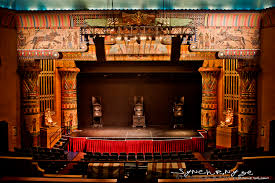
Proscenium Photo Link
Amphitheater Photo Link
- Amphitheater Photo Linkstage

Proscenium Photo Link
Amphitheater Photo Link
word entry- elements of drama
1. "Stopard is not using poetic devices seriously, but in parodic fun." (Pg.1133)
2. I think this word could mean something like sarcastic.
3. Parodic- having or of the nature of a parody. (DIctionary.com)
Parody- a humorous or satirical imitation of a serious piece of literature or writing. (Dictionary.com)
4. This sentence is saying that the authour is using peotic devices such as figures of speech, rhyming and line breaks to help set a humorous tone in his work.
2. I think this word could mean something like sarcastic.
3. Parodic- having or of the nature of a parody. (DIctionary.com)
Parody- a humorous or satirical imitation of a serious piece of literature or writing. (Dictionary.com)
4. This sentence is saying that the authour is using peotic devices such as figures of speech, rhyming and line breaks to help set a humorous tone in his work.
Word Entry- Trifles
1. "With the gallantry of a young politician" (p. 1075).
2. My guess: The word "gallantry" could possibly mean something along the lines of loud and purposeful. It seems as if the County Attorney is trying to mock the women and his words would seem as if he was speaking with a stubborn tone.
3. Definition: Dashing courage; heroic bravery; noble-minded behavior. (Dictionary.com)
4. Explanation: The Country Attorney seems to want to remind the women of their place, it would seem courageous of him to speak in this way in front of the women which makes his statement even more bold. Even though what he says is wrong on many levels in terms of femininity, the author wants to illustrate to readers that he is trying to be arrogant.
2. My guess: The word "gallantry" could possibly mean something along the lines of loud and purposeful. It seems as if the County Attorney is trying to mock the women and his words would seem as if he was speaking with a stubborn tone.
3. Definition: Dashing courage; heroic bravery; noble-minded behavior. (Dictionary.com)
4. Explanation: The Country Attorney seems to want to remind the women of their place, it would seem courageous of him to speak in this way in front of the women which makes his statement even more bold. Even though what he says is wrong on many levels in terms of femininity, the author wants to illustrate to readers that he is trying to be arrogant.
Wednesday, April 17, 2013
This is a link to the trailer for the movie Hamlet which is the modern day adaptation made in 2000.
http://www.youtube.com/watch?v=MjCIFBESG58
Sunday, April 7, 2013
Sylvia Plath Picture

I found a picture of the author, Sylvia Plath, before she died. I also found a quote from her as well.
"What a man wants is is an arrow into the future and what a woman is is the place the arrow shoots off from."
What do you think Sylvia Plath is trying say from the quote above?
Word Entry- "Daddy"
1. "Every woman adores a Fascist,
The boot in the face, the brute
Brute heart of a brute like you.” (984)
2.
My
guess is that the author is trying to explain that every woman adores someone
that is very forward and aggressive. Before this stanza the author is
describing his father has a “Luftwaffe” (line 42), which means an armored
vehicle and how he has “always been scared [of his father]” (line 41).
3.
Fascist: “a person who
is dictatorial or has extreme right-wing views” (Dictionary.com)
4.
I
got the idea of the word Fascist. It means that the authors’ dad,
Otto Plath, had the characteristics that might have attract other women. They
like his authority.
Word Entry #8 - "Daddy"
1. "Marble-heavy, a bag full of God,
Ghastly statue with one gray toe
Big as a Frisco seal" (983)
2. My guess: I believe that ghastly means gross in a displeasing way, especially since the author describes the statue as having one gray toe; seems a little weird and different.
3. Definition: "Inspiring shock, revulsion, or horror by or as if by suggesting death"
"Extremely unpleasant or bad"(Thefreedictionary.com).
4. This makes sense! The statue is her father and the one gray toe is the toe he lost from gangrene due to diabetes. She's describing her father as unpleasant and horrific; throughout the poem she gives off a very negative attitude towards her father.
Ghastly statue with one gray toe
Big as a Frisco seal" (983)
2. My guess: I believe that ghastly means gross in a displeasing way, especially since the author describes the statue as having one gray toe; seems a little weird and different.
3. Definition: "Inspiring shock, revulsion, or horror by or as if by suggesting death"
"Extremely unpleasant or bad"(Thefreedictionary.com).
4. This makes sense! The statue is her father and the one gray toe is the toe he lost from gangrene due to diabetes. She's describing her father as unpleasant and horrific; throughout the poem she gives off a very negative attitude towards her father.
word entry- "Daddy"
1. "Every woman adores a fascist, the boot in the face, the brute brute heart of a brute like you." (pg. 984)
2. I think this word could mean cold or mean because she is describing her dad and it's not in a good way. She calls him a fascist wich could mean that he was controlling and strict.
3. Brute- a brutal, insensitive, or cruel person. (Dictionary.com)
4. This helps me confirm that she is describing her dad in a negative way. He wasn't a good person. I think he was mean and she could never connect with him.
2. I think this word could mean cold or mean because she is describing her dad and it's not in a good way. She calls him a fascist wich could mean that he was controlling and strict.
3. Brute- a brutal, insensitive, or cruel person. (Dictionary.com)
4. This helps me confirm that she is describing her dad in a negative way. He wasn't a good person. I think he was mean and she could never connect with him.
Sylvia Plath's Suicide story
1. Here is an article that tells a complete story of what caused Sylvia Plath's death.
http://www.bostonglobe.com/magazine/2013/01/20/the-last-days-sylvia-plath/Dlpv1hzF4OFO6gtxoGNG5I/story.html
2. Here is the link to an article form the NYT about Sylvia's biography.
http://www.nytimes.com/2013/02/10/books/review/new-biographies-of-sylvia-plath.html?pagewanted=all
http://www.bostonglobe.com/magazine/2013/01/20/the-last-days-sylvia-plath/Dlpv1hzF4OFO6gtxoGNG5I/story.html
2. Here is the link to an article form the NYT about Sylvia's biography.
http://www.nytimes.com/2013/02/10/books/review/new-biographies-of-sylvia-plath.html?pagewanted=all
Sylvia Plath and Ted Hughes
Here is the link to how Sylvia met her husband Ted Hughes, who was also a very good poet.
(http://www.blogger.com/blogger.g?blogID=9157954639754944693#editor/target=post;postID=8665354485511315979)
(http://www.blogger.com/blogger.g?blogID=9157954639754944693#editor/target=post;postID=8665354485511315979)
Word Entry "Daddy" by Silvia Plath
1. "And the language obscene an engine, an engine chuffing me off like a Jew" (984).
2. My guess: In this context the word "obscene may mean something along the lines of vile or cruel.
3. Definition: Offensive to morality or decency; indecent; depraved. (Dictionary.com)
4. Explanation: Plath is trying to illustrate the language the Germans around her, she wanted to describe them as harsh sounding and offensive. She does this effectively using the word "obscene" in this stanza.
2. My guess: In this context the word "obscene may mean something along the lines of vile or cruel.
3. Definition: Offensive to morality or decency; indecent; depraved. (Dictionary.com)
4. Explanation: Plath is trying to illustrate the language the Germans around her, she wanted to describe them as harsh sounding and offensive. She does this effectively using the word "obscene" in this stanza.
Word Entry - "Daddy"
1. "I have always been scared of you, With your Luftwaffe, your gobbledygoo" (984)
2. My Guess: I am confused as to what Plath intended the word "gobbledygoo" to mean in this sentence. All the other words that confused me in the passage had a footnote explaining them, they were all German words that she used to express how she was scared of her father. So my best guess would be that gobbledygoo is a German word of some variation of a German word that she is using to explain her feelings.
3. Research: Sadly the closest definition I could find was for the word "goobledygook"
Goobledygook - A load of nonsense. To speak gibberish and/or rubbish (http://www.urbandictionary.com/define.php?term=gooble-de-gook)
4. Explanation: Even though I did not find the exact word used by Plath in the poem , I think that the definition helped my understanding of the phrase. She is describing things about her father that scare her, portraying him as a German Nazi. The word "goobledygoo" refers to the way in which he spoke she did nto understand things he would say and she was intimidated by the way he spoke.
2. My Guess: I am confused as to what Plath intended the word "gobbledygoo" to mean in this sentence. All the other words that confused me in the passage had a footnote explaining them, they were all German words that she used to express how she was scared of her father. So my best guess would be that gobbledygoo is a German word of some variation of a German word that she is using to explain her feelings.
3. Research: Sadly the closest definition I could find was for the word "goobledygook"
Goobledygook - A load of nonsense. To speak gibberish and/or rubbish (http://www.urbandictionary.com/define.php?term=gooble-de-gook)
4. Explanation: Even though I did not find the exact word used by Plath in the poem , I think that the definition helped my understanding of the phrase. She is describing things about her father that scare her, portraying him as a German Nazi. The word "goobledygoo" refers to the way in which he spoke she did nto understand things he would say and she was intimidated by the way he spoke.
Sunday, March 31, 2013
Cultural Entry - "The Sun Rising"
“Late schoolboys, and sour prentices,
Go tell court-huntsmen that the king will ride, Call country ants to
harvest offices” (648)
My guess: I think that my lack of
understanding of this passage is because it is a mixture of cultural
phrases that I am not familiar with as well as symbolism. The poem is
about love, so I am guessing that the author is professing his love
throughout the poem. I think that the “schoolboy”, the
“prentices”, the “court-huntsmen” and the “country ants”
that the speaker is talking about are representative of all different
kinds of people from the time period. He is professing his love when
he says “go tell” and “call” all the different people; he
wants everyone to know the love he has for someone.
Research: “'Prentices' are
apprentices, who (like today's sullen teens) oversleep; "motions"
are regular changes, such as sunset or sunrise, spring or fall. Donne
and Anne (we might as well call her Anne) believe it's more important
to be in love than to be on time: they won't let the hour, or the
month, or even their relative ages, tell them what to do”
Explanation: With the research above
and other information that I found I discovered that the true meaning
of the passage is the speaker criticizing all those who are ruled by
the hours of the day. The speaker is saying that love is not
dependent on time or duty. Before I thought that the speaker was
professing his love to all the different kinds of people, but really
he is saying that the love he feels is not restricted like the duties
of all those people.
Adrienne Rich

I found out that Adrienne Rich passed away March 27, 2012. It wasn't that long ago but here is an article dedicated to her.
Word Entry- The Author's Work As Context: Adrienne Rich
- "Yet her poetry works as poetry largely because in it the converse is always equally and palpably true." (857)
- My Guess: I think the word means to become aware of a certain issue. Furthermore, I think it means Adrienne's work is unique based on how her personal life.
- Palpable (adjective): "readily or plainly seen, heard, perceived, etc.; obvious; evident: a palpable lie; palpable absurdity." (Dictionary.com)
- My guess was kind of close to the definition. Rich's poem help readers to recognize and understand certain situations in the era.
Word Entry "Living in Sin"
1. "... that morning light so coldly would delineate the scraps of last night's cheese and three sepulchral bottles..." (Pg. 859)
2. I think this word could be some kind of wine or alcohol because that gets drank with cheese. Also they are "living in sin" and alcohol can make you do bad things.
3. Sepulchral- 1. hollow and deep, or 2. of, pertaining to, or serving as a tomb.
4. I think this sentence is saying that these people got drunk and hooked up. They shouldn't have done it and the alcohol kind of pushed them to give into temptation. The bottle or alcohol is the tomb of their willpower to say no or their smart/ unsinful actions.
2. I think this word could be some kind of wine or alcohol because that gets drank with cheese. Also they are "living in sin" and alcohol can make you do bad things.
3. Sepulchral- 1. hollow and deep, or 2. of, pertaining to, or serving as a tomb.
4. I think this sentence is saying that these people got drunk and hooked up. They shouldn't have done it and the alcohol kind of pushed them to give into temptation. The bottle or alcohol is the tomb of their willpower to say no or their smart/ unsinful actions.
Word Entry #7 - "Living in Sin"
1. "Half heresy, to wish the taps less vocal,
the panes relieved of grime" (858).
2. My guess: By the context clues of the sentence I think that heresy may mean to believe.
3. Definition: "any opinion or belief that is or is thought to be contrary to official or established theory" (freedictionary.com).
4. I understand now, she's describing the furniture in the room and when she says heresy she is referring to the opinion she has of the house she lives in.
the panes relieved of grime" (858).
2. My guess: By the context clues of the sentence I think that heresy may mean to believe.
3. Definition: "any opinion or belief that is or is thought to be contrary to official or established theory" (freedictionary.com).
4. I understand now, she's describing the furniture in the room and when she says heresy she is referring to the opinion she has of the house she lives in.
Cultural and Historical Knowleddge: Daddy P 983
Cultural and Historical Knowledge: Daddy:
In the poem "Daddy" Sylvia Plath, introduces her ethnicity in the poem as Half German and Polish. She has used some German word in her poems such as Ich, Du, and Ach, which "Ich" stands for "I" and "Du" stands for "you".
It Stuck In barb wire snare
Ich, Ich, Ich, Ich
I used to pray to recover you.
Ach, Du
But the name of the town was common.
My Polack Friend(Polsih)
She also relates the death of her father to the Nazi war, which is a very powerful topic in history. For example.
Not god but a swastika
so black no sky cloud squeak through
In here she mentions of the sign swastika, which tells me that her father died during the Nazi war and he might have been a German soldier who was hired to to kill Jews.
In the poem "Daddy" Sylvia Plath, introduces her ethnicity in the poem as Half German and Polish. She has used some German word in her poems such as Ich, Du, and Ach, which "Ich" stands for "I" and "Du" stands for "you".
It Stuck In barb wire snare
Ich, Ich, Ich, Ich
I used to pray to recover you.
Ach, Du
But the name of the town was common.
My Polack Friend(Polsih)
She also relates the death of her father to the Nazi war, which is a very powerful topic in history. For example.
Not god but a swastika
so black no sky cloud squeak through
In here she mentions of the sign swastika, which tells me that her father died during the Nazi war and he might have been a German soldier who was hired to to kill Jews.
Word Entry: "Daddy"
Word Entry: "Daddy" P 984
1: I thought every German was you.
And the language obscene.
2. I thought it meant that German is a tough language.
3. Definition: (of the portrayal or description of sexual matters) offensive or disgusting by accepted standards of morality and decency. An obscenity is any statement or act which strongly offends the prevalent morality of the time
4. It makes that German was such an offensive language during the time when Hitler was Killing Jews, specifically when the Nazis were in power.
1: I thought every German was you.
And the language obscene.
2. I thought it meant that German is a tough language.
3. Definition: (of the portrayal or description of sexual matters) offensive or disgusting by accepted standards of morality and decency. An obscenity is any statement or act which strongly offends the prevalent morality of the time
4. It makes that German was such an offensive language during the time when Hitler was Killing Jews, specifically when the Nazis were in power.
Storm warnings word entry
1. " boughs strain against the sky" p.858
2. I would guess they are clouds
3. Definition, a branch on a tree especially one of the main branches
4. The boughs are straining as the wind is approaching because of the coming storm. They are sort of craning their necks in the wind.
Source dictionar.com
2. I would guess they are clouds
3. Definition, a branch on a tree especially one of the main branches
4. The boughs are straining as the wind is approaching because of the coming storm. They are sort of craning their necks in the wind.
Source dictionar.com
Discussion question storm warnings
Adrienne Rich does a great job of setting up a scene with vivid imagery in great detail in Storm Warnings but do you think that it is a greater metaphor for something else? After reading a brief bio of her in the norton text book what could Storm Warnings be a metaphor for?
Word entry: Living in Sin
1. "...that morning light so coldly would delineate the scrapes of last night's cheese and three sepulchral bottles" (Page 859)
2. My guess: It is an adjective which describe the bottles. In here, because the speaker used the word "coldly" to describe the scene of last night's dinner (cheese), so I believe sepulchral presents the image of bottles that are unclear or dark.
3. Definition: 1. of, pertaining to, or serving as a tomb. 2. of or pertaining to burial. 3.proper to or suggestive of a tomb; funereal or dismal. (Dictionary.com)
4. Explanation: What a strong feeling ! now I know that the speaker use the "sepulchral" bottles to describe her own feeling (or perhaps of her marriage to the milkman) is like a tomb, like dark bottles, full of disappointments.
2. My guess: It is an adjective which describe the bottles. In here, because the speaker used the word "coldly" to describe the scene of last night's dinner (cheese), so I believe sepulchral presents the image of bottles that are unclear or dark.
3. Definition: 1. of, pertaining to, or serving as a tomb. 2. of or pertaining to burial. 3.proper to or suggestive of a tomb; funereal or dismal. (Dictionary.com)
4. Explanation: What a strong feeling ! now I know that the speaker use the "sepulchral" bottles to describe her own feeling (or perhaps of her marriage to the milkman) is like a tomb, like dark bottles, full of disappointments.
Subscribe to:
Comments (Atom)